
Why is silica sand used on padel tennis courts?
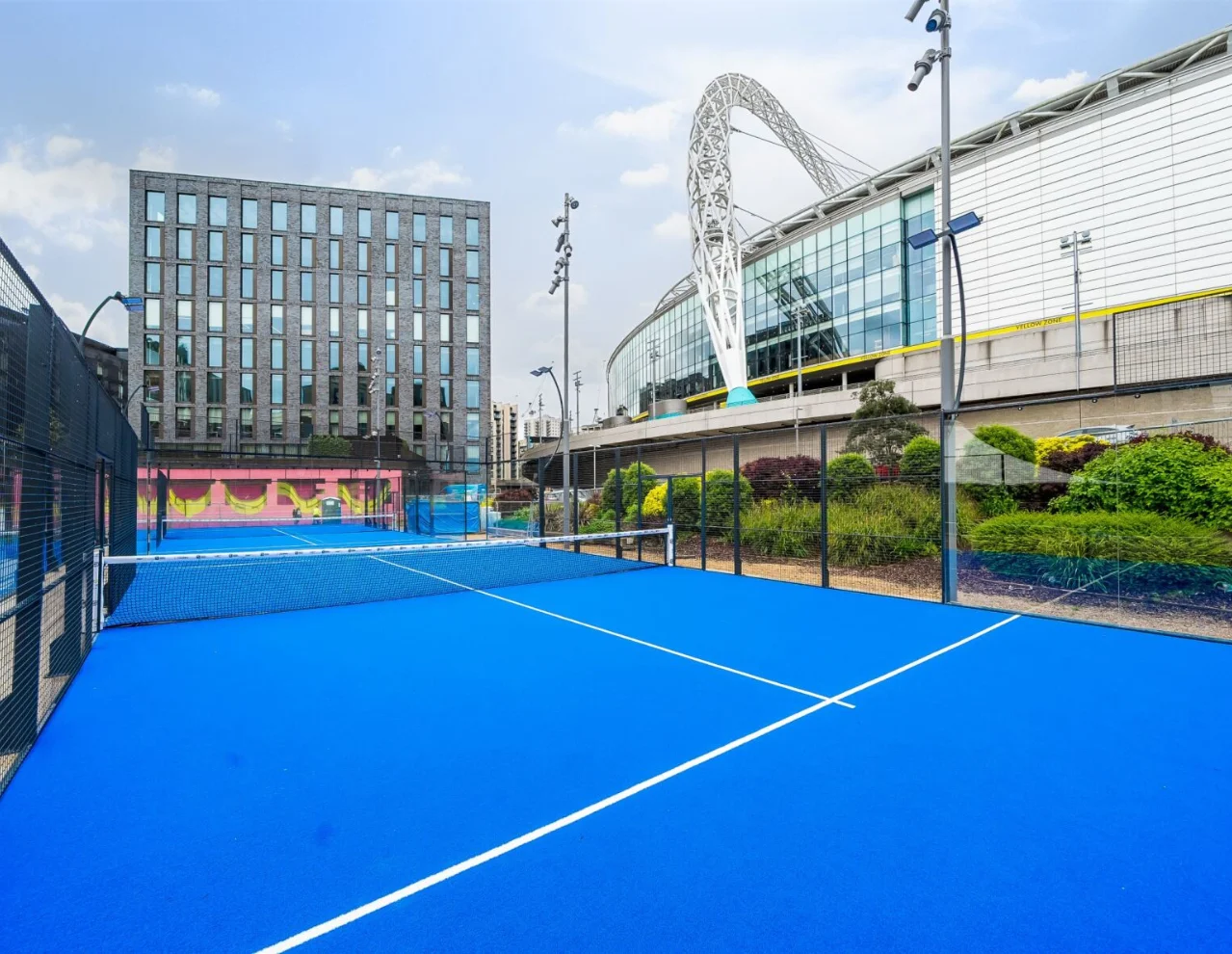
All of us who have started padel tennis at some point have wondered what purpose sand plays on padel tennis courts, if it’s the one on the beach, or if it’s really necessary.
The answer, categorically, is that yes, sand is necessary. And it must be made of silica.
To maintain artificial grass, it is necessary that the sand can maintain it in different scenarios (indoor or outdoor), and with a variety of climatic conditions (dry, humid, or rainy weather…).
Silica sand is the most recommended for padel tennis courts, since it is characterized by its silica composition (SiO2), which prevents contamination by organic organisms and fungi. It differs from beach sand in that first of all it has very low silica levels and its granules are smaller and more uniform.Beach sand absorbs water creating a paste, silica sand works as a filter and avoids retaining moisture in the court, while contributing to better stability for this reason.
Oddly enough, unlike in soccer, where rubber is used to increase the ball’s bounce and fluidity on grass, or in tennis, where the ball is intended to bounce more and at a high speed; The grass of the padel tennis courts and the sand seek to control the ball pot so that it’s not as fast and can be controlled.
The padel courts have sand for several fundamental reasons that improve the gaming experience and the safety of players:
-
Improved tractionSand provides a rougher surface, improving traction for players and significantly reducing the risk of slipping. This is crucial in a sport that involves quick movements and constant changes of direction.
-
Bounce ControlThe presence of sand also influences the behavior of the ball. It helps to moderate the speed and angle of the rebound, adding a tactical element to the game.
-
Surface protectionSand acts as a protective barrier between players and the court surface, helping to reduce wear and tear on artificial turf. In addition, it prevents the accumulation of moisture, which can prevent the formation of fungi and other organisms that could damage the surface.
-
DurabilitySand increases the durability of artificial grass, protecting it from damage and wear. Silica sand helps the fibers of the grass to stand more upright and in an upright position, so there is less wear and tear and requires less maintenance.
What is the granulometry of silica sand and which one do we use in MejorSet?
In silica sand, granulometry is important, which can penetrate the grass to protect the fibers properly. In theMejorSet padel courts we work with sand between 0.2-0.5mm, extracted in the open air from a wind dune reservoir. A sand washed with water, without chemical additives.
This type of sand is recommended for both monofilament and textured text.
What amount of sand is needed per type of padel tennis court?
Approximately 3,000 kg of silica sand are required per court, depending on the artificial turf manufacturer and their specific recommendations. For textured grass, this amount can be halved due to its compact design.
In texturing, the amount of sand used is between 7/8kg per m2, which per court equals between 1.4T and 1.6T, and in monofilament (straight grass) between 17/18kg per m2, which per court represents a total of between 3.3T and 3.4T.